





We all love the feeling of a sparkling clean home. Walking into a fresh, tidy room brings a deep sense of peace and comfort. But keeping your house spotless takes serious effort and time. Sometimes, the hard work you put into scrubbing and wiping does not give you the results you want. You might even be making your home dirtier without realizing it.
Many homeowners fall into bad habits that waste time, damage expensive surfaces, or spread germs from room to room. We want to help you clean smarter, not harder. This guide covers the top five cleaning mistakes people make and gives you easy, practical ways to fix them. You will learn how to protect your furniture, save your energy, and achieve that perfect, long-lasting clean.
Mistake 1: Spraying Cleaner Directly on Surfaces
When you see a dirty table or a dusty shelf, your first instinct is probably to point your bottle of cleaner and spray away. It feels satisfying to cover the mess in foam or liquid. However, this common habit actually creates more problems than it solves.
Why It Causes Problems
Spraying liquid directly onto your furniture, countertops, or electronics causes a buildup of product. Surfaces like wood and glass can absorb the excess liquid or hold onto a sticky film. Over time, this leftover residue acts like a magnet for dust and dirt. You end up having to clean more often because your surfaces attract grime faster.
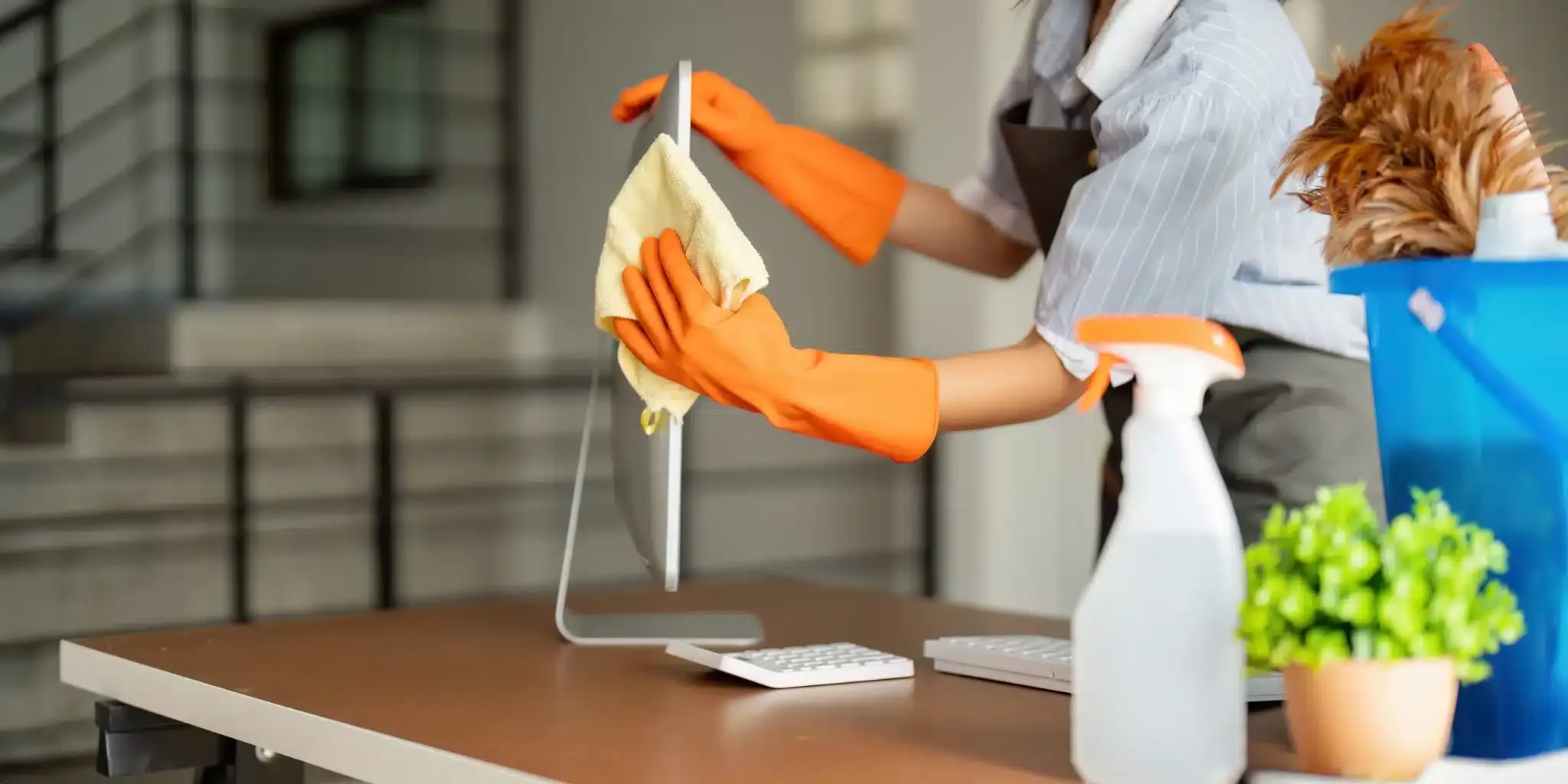
Furthermore, spraying cleaners directly on electronics can force moisture into tiny openings. This easily damages expensive televisions, computer monitors, and smart home devices.
How to Fix It
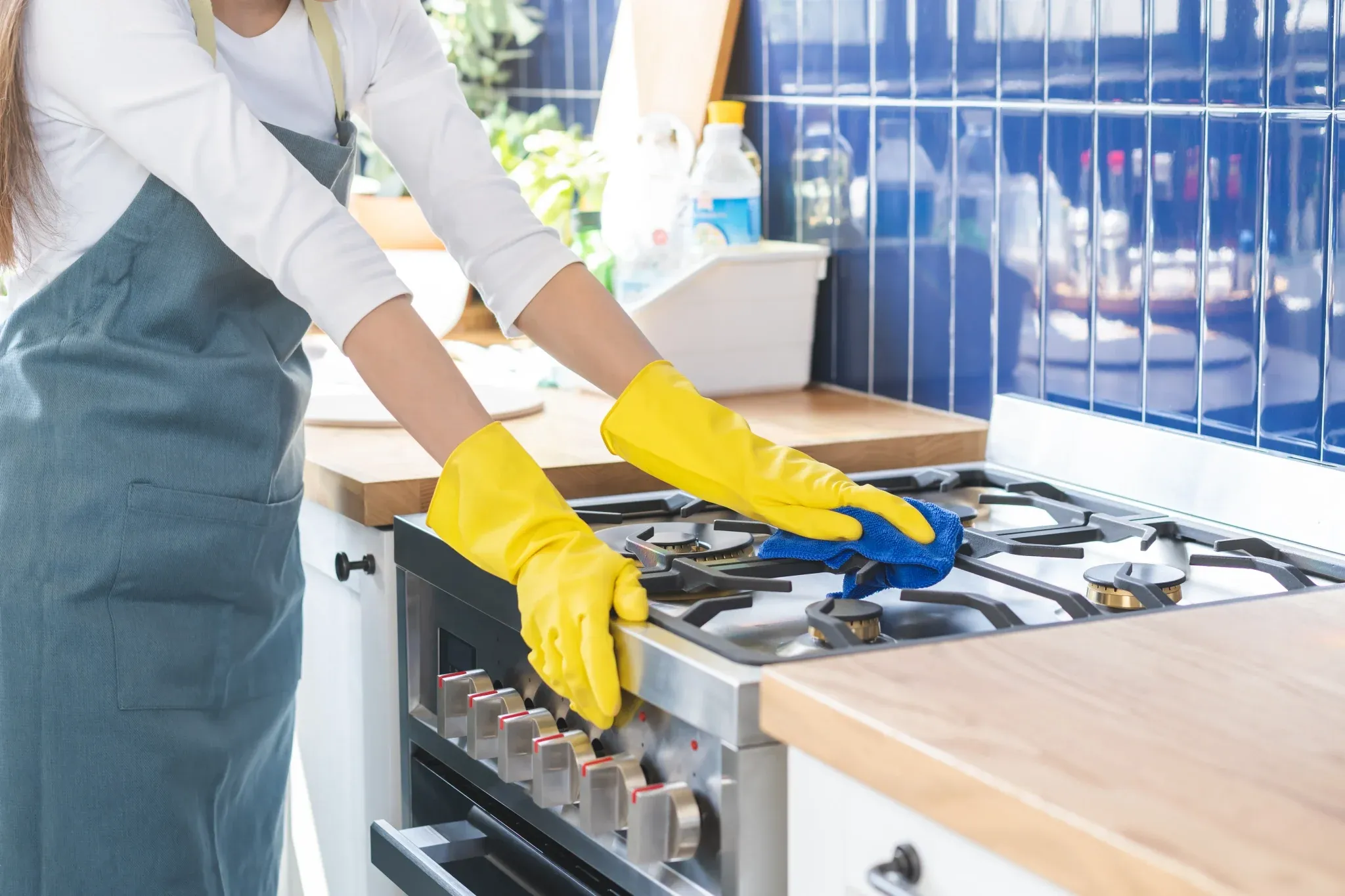
The solution is simple: spray your cleaning product directly onto your cloth instead of the surface. A lightly damp microfiber cloth gives you much better control over where the product goes. You apply just enough cleaner to pick up the dust and dirt without leaving a sticky residue behind.
If you are dealing with a tough, dried-on spill on a kitchen counter, you can spray a small amount directly on the mess. But for general dusting and wiping, always spray the cloth first. Your wood finishes will stay vibrant, your glass will stay clear, and your home will stay cleaner for longer.
Mistake 2: Using the Same Cloth for the Whole House
Grabbing a single rag to wipe down your entire main floor seems like a great way to save time. You wipe the bathroom sink, move to the living room tables, and finish by wiping the kitchen counters. Unfortunately, this is one of the most unhygienic mistakes you can make in your home.
The Hidden Danger of Cross-Contamination
When you use the same sponge or cloth across multiple rooms, you are simply moving bacteria around. You pick up harmful germs from the bathroom and spread them directly onto the surfaces where you prepare your family’s food. Even if the cloth looks clean, it holds millions of microscopic particles.
A single cloth also carries harsh bathroom chemicals into areas where they do not belong. You do not want bleach residue from your shower making its way onto your wooden dining table.
A Smarter Way to Wipe
To avoid spreading germs, you need a system. We highly recommend using a color-coded microfiber cloth system. Buy a multi-pack of cloths in different colors and assign a specific color to each zone in your home.
For example, use blue cloths exclusively for glass and mirrors. Use yellow cloths for the bathroom, green cloths for the kitchen, and pink cloths for dusting the living areas. When a cloth gets dirty, toss it in the laundry and grab a fresh one of the same color. This simple change completely stops cross-contamination and keeps your family much healthier.
Mistake 3: Skipping the Dwell Time
We often clean in a rush. You spray a disinfectant on a dirty surface and immediately wipe it away. While this removes the visible dirt, it completely ruins the disinfecting process.
Why Rushing Ruins Results
Disinfectants and antibacterial cleaners do not work instantly. They need time to sit on the surface to effectively kill germs, viruses, and bacteria. This waiting period is known as “dwell time” or “contact time.”
When you wipe a cleaner away immediately, you only clean the surface level. The germs left behind continue to multiply. If you are cleaning up after raw meat in the kitchen or trying to banish cold viruses from a bathroom, skipping the dwell time defeats the entire purpose of using a disinfectant.
The Power of Patience
Always read the back of your cleaning products. The label will tell you exactly how long the product needs to stay wet on the surface to kill germs. Some quick-acting formulas need 30 seconds, while heavy-duty disinfectants might need up to 10 minutes.
To make the most of your time, spray your surfaces first. While the product dwells, move on to another task. You can scrub the toilet bowl, empty the trash cans, or sweep the floor. Once the required time passes, go back and wipe the surfaces clean. You get a truly sanitized home without wasting any of your valuable time.
Mistake 4: Washing Windows on a Sunny Day
A bright, sunny afternoon feels like the perfect time to tackle your dirty windows. The sun highlights all the smudges and fingerprints, motivating you to get them sparkling clean. But washing windows in direct sunlight is a recipe for frustration.
The Streaky Truth
When the sun beats down on your glass windows, the glass becomes very hot. As soon as you spray your liquid glass cleaner onto the warm pane, it begins to evaporate. The liquid dries before you even have a chance to wipe it away properly.
This rapid drying leaves behind the chemical residue from the cleaner, creating terrible streaks. You end up wiping the same window three or four times, trying to chase away the smears, only to realize the heat is working against you.
Timing Your Glass Cleaning
For crystal-clear windows, you must let the weather guide your cleaning schedule. The best time to wash your windows is on an overcast, cloudy day. If you must clean on a sunny day, try to wash the windows on the shaded side of the house first. Move around the house as the sun shifts.
Cooler glass gives you plenty of time to spray, wipe, and buff the window to a perfect shine. Use a clean microfiber cloth or a squeegee to remove the liquid smoothly, and you will never struggle with streaks again.
Mistake 5: Neglecting Your Cleaning Tools
Your cleaning tools work hard to pick up dirt, hair, and dust. But many homeowners forget that the tools themselves need regular cleaning. Using dirty equipment is a massive waste of your energy.
Spreading Dirt Instead of Removing It
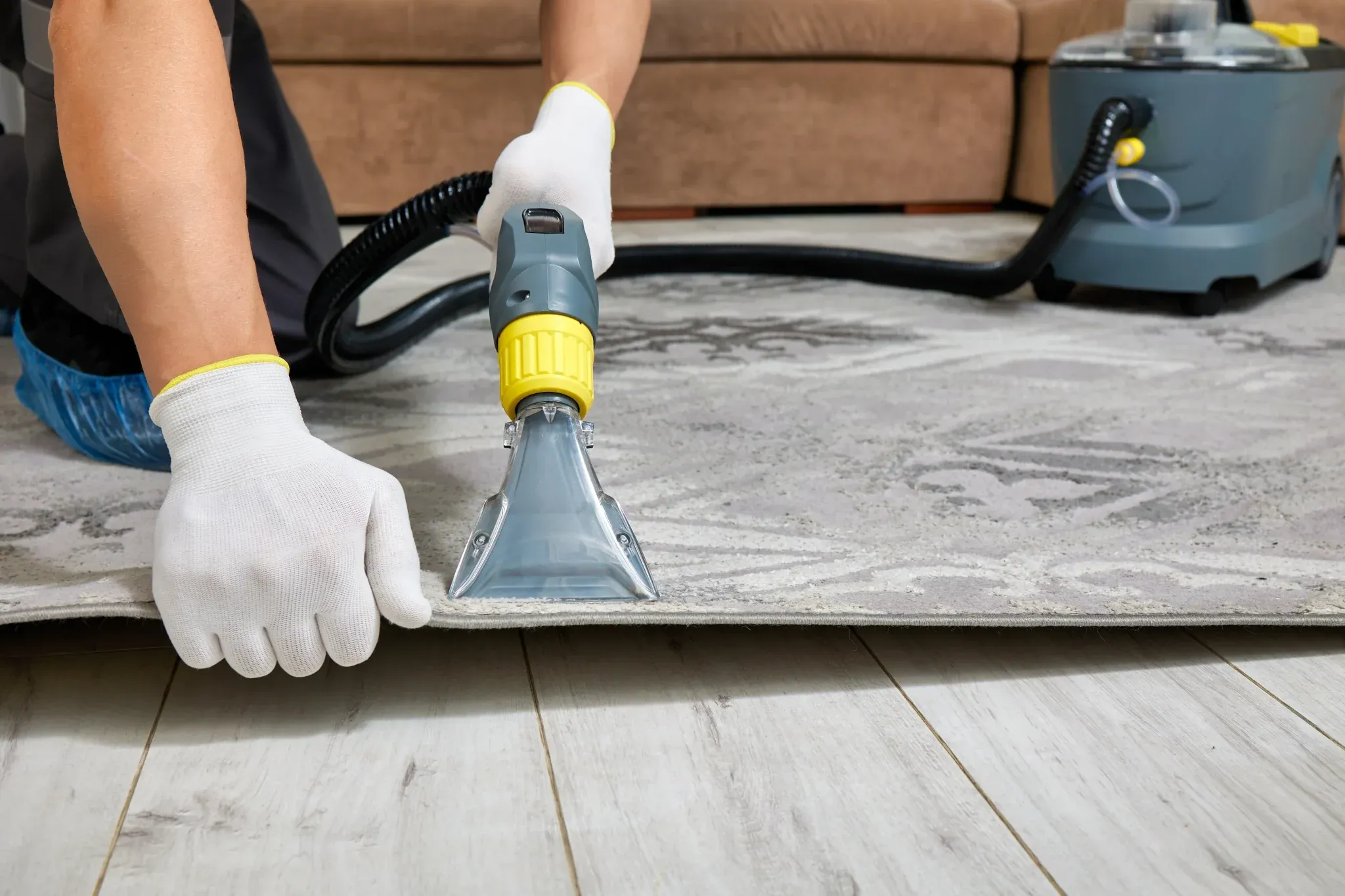
Think about your vacuum cleaner, your mop, and your duster. If your vacuum bag is completely full or the filter is clogged with dust, the machine loses its suction power. It will spit fine dust particles right back into the air you breathe.
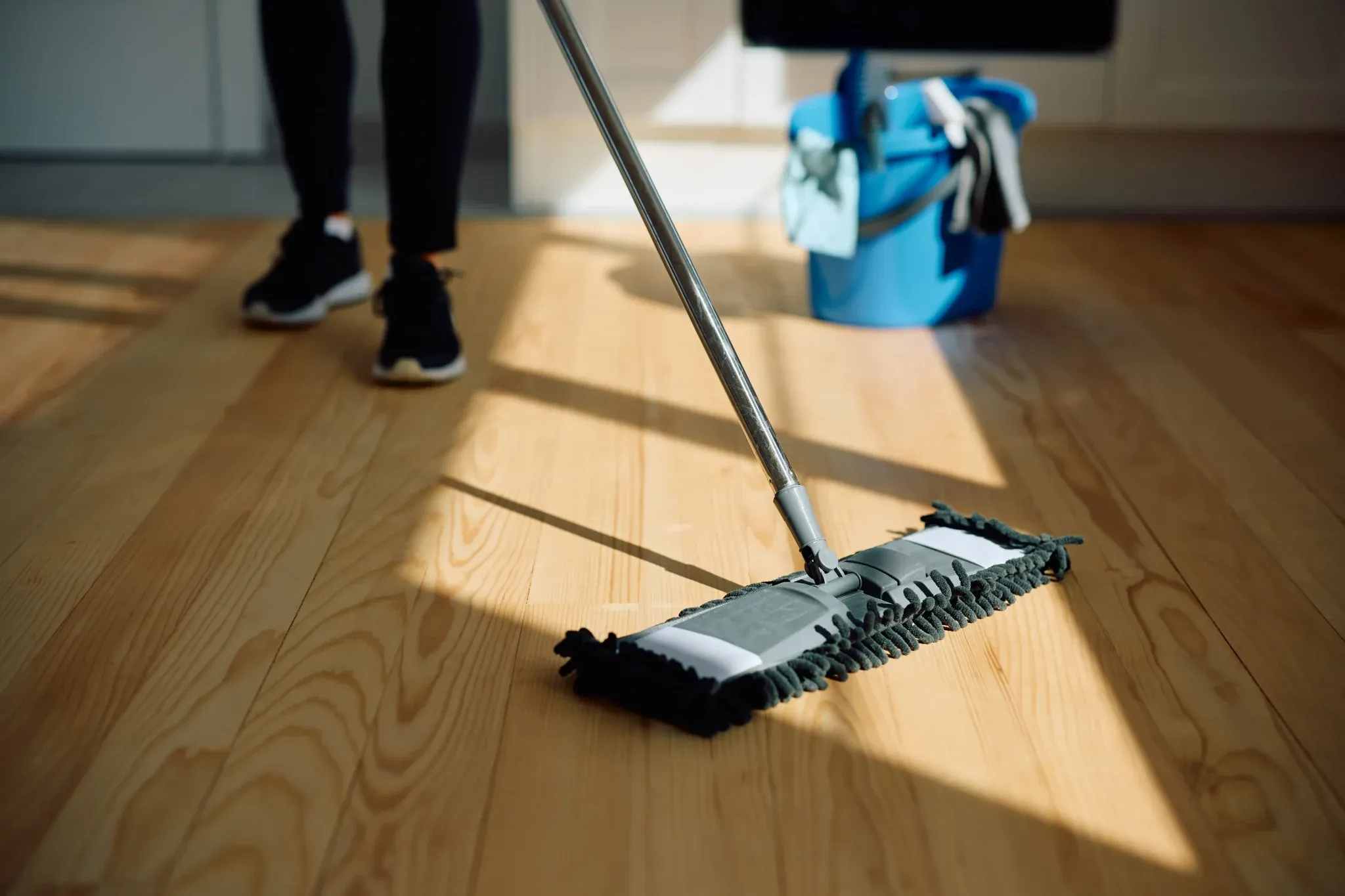
If you mop your floors with dirty water and a sour-smelling mop head, you just push dirty water into your grout lines. A feather duster that never gets washed just flicks dust from the top shelf onto the bottom shelf. Dirty tools make it impossible to get your house truly clean.
Caring for Your Equipment
Make tool maintenance a regular part of your routine. Empty your vacuum canister after every single use and wash the filters every month. Wash your mop heads in the washing machine using hot water, and always let them dry completely before storing them to prevent mold growth.
Rinse your sponges, replace them often, and shake out your brooms. When your tools are clean and fresh, they do the heavy lifting for you. A little bit of maintenance saves you hours of frustrating, ineffective cleaning.