


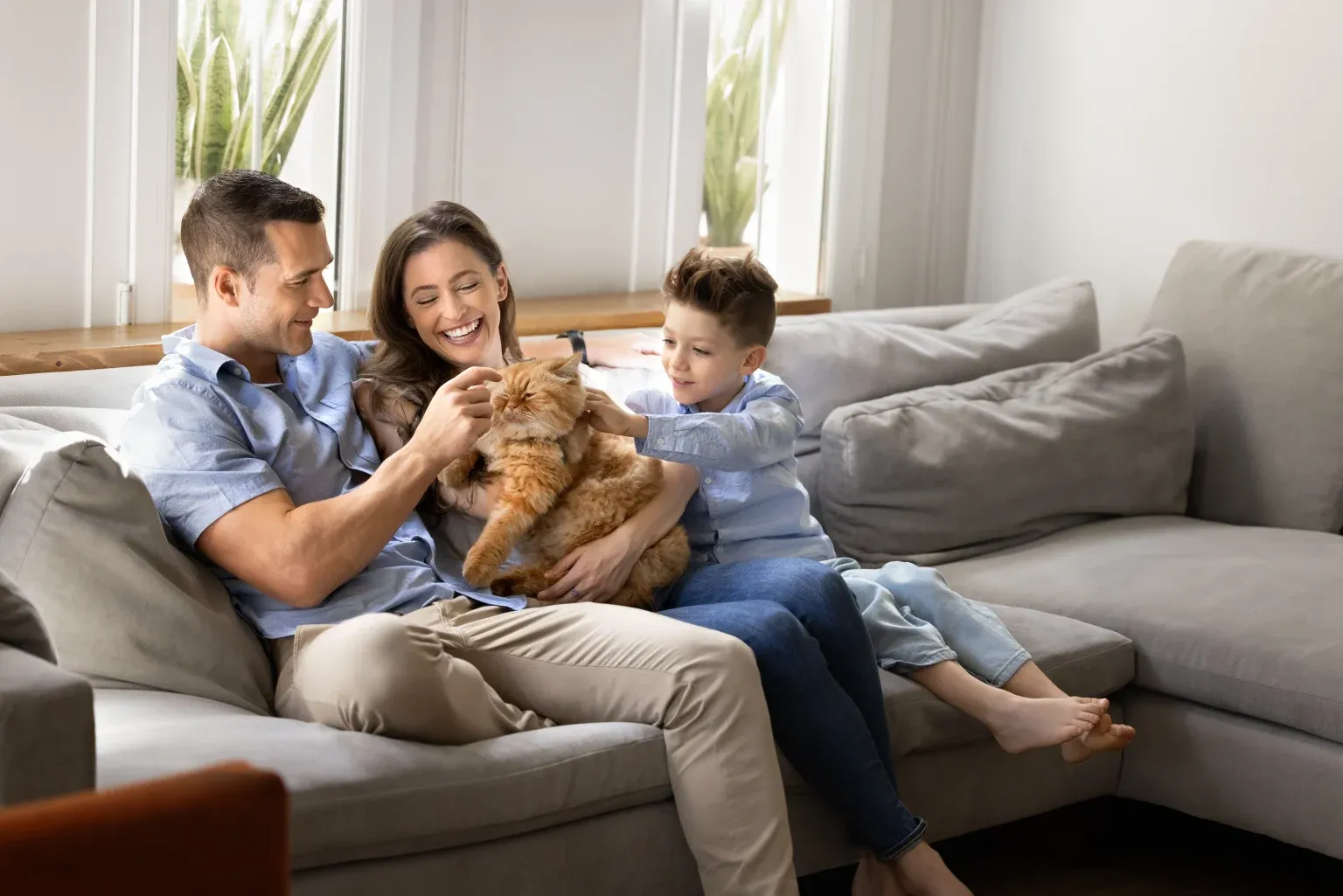



Sharing your living space with a dog or cat brings endless joy, but it also brings a constant stream of fur, muddy paw prints, and mysterious odors. Keeping your house clean can feel like a never-ending chore when you have furry roommates. You might vacuum the living room, only to find a new tumbleweed of hair drifting across the floor an hour later. However, maintaining a pristine space with pets is entirely possible with the right strategies.
This guide will show you exactly how to tackle the most common pet-related cleaning challenges. You will learn how to manage heavy shedding and eliminate deep-set odors from your furniture.
The Battle Against Pet Hair
Pet hair is usually the most visible sign that an animal lives in your house. It clings to your clothes, weaves itself into your carpets, and floats through the air. Defeating pet hair requires a proactive approach rather than just reacting when things look messy.
Grooming is Your First Defense
The easiest way to keep hair off your floors is to catch it before it falls off your pet. Regular grooming is absolutely essential for managing shedding. Brush your dog or cat at least three times a week to remove loose fur. If your pet has a thick undercoat, invest in a high-quality deshedding tool.
Make grooming a positive experience by offering treats and praise. Take your pet outside to brush them if the weather permits, so the loose fur blows away instead of settling into your rug. A quick five-minute brushing session each day drastically reduces the amount of hair you need to vacuum later.
Vacuuming Techniques That Actually Work
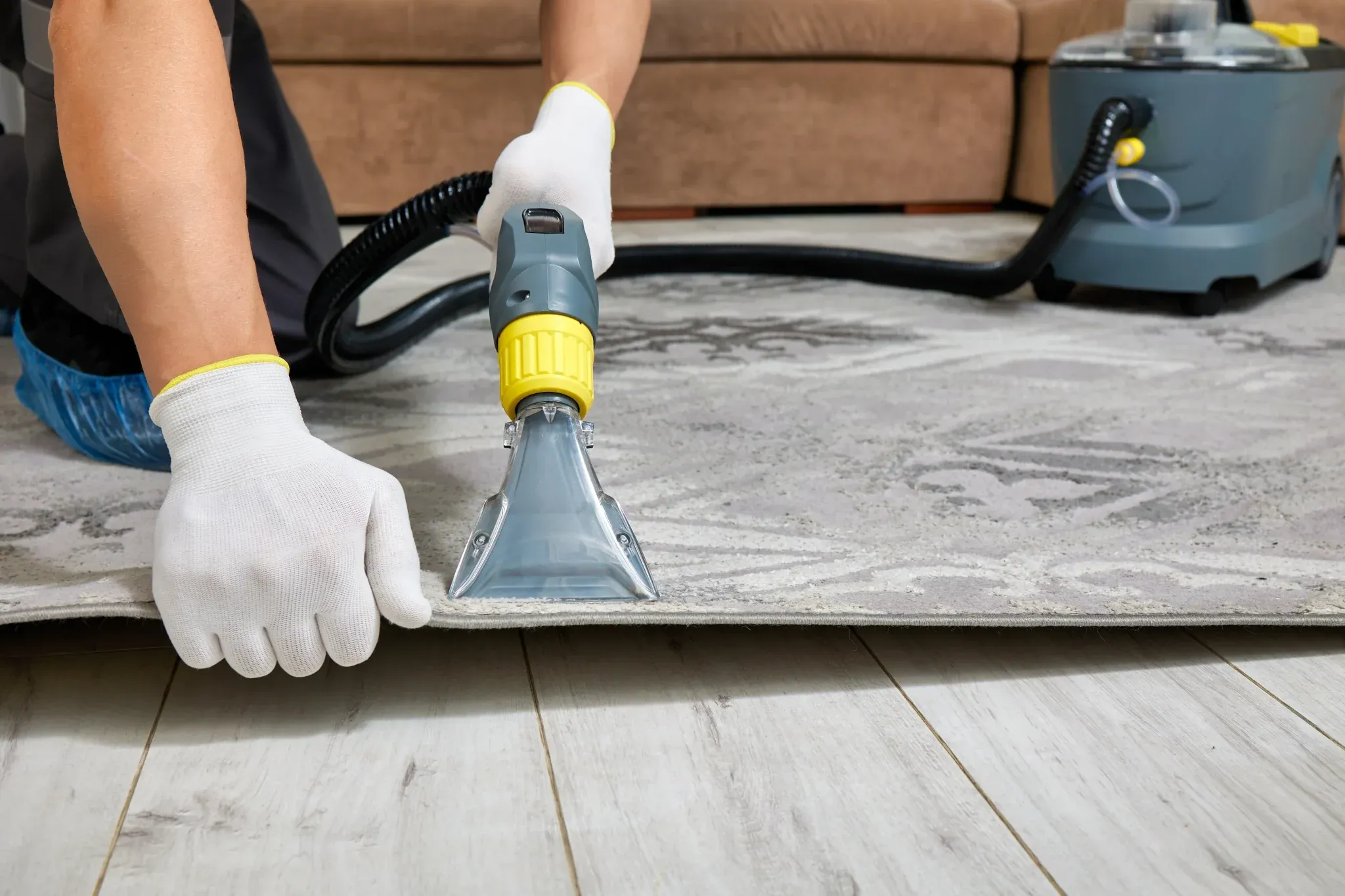
When it comes to vacuuming, the equipment you use matters just as much as how often you clean. You need a vacuum equipped with a HEPA filter to trap tiny dander particles and prevent them from blowing back into the air. Empty the canister frequently, as pet hair fills up vacuums much faster than normal dust.
Vacuum high-traffic areas at least twice a week. For carpets, go over the same area from multiple directions. Pet hair tends to weave itself into carpet fibers, and changing your vacuuming angle helps pull those stubborn hairs loose. If your vacuum struggles to pick up embedded fur, try using a rubber carpet rake before you run the machine. The rubber bristles pull the hair to the surface, making it incredibly easy to vacuum up.
Removing Hair from Furniture and Clothes
Your sofa is likely a magnet for stray fur, especially if your pets love to cuddle. Keep a sticky lint roller nearby for quick touch-ups on your clothes and upholstery. For a more sustainable option, a damp rubber dishwashing glove works wonders. Simply put on the glove, get it slightly wet, and run your hand over your fabric furniture. The rubber grips the hair and pulls it into manageable clumps.
You can also use a simple window squeegee to scrape hair off your stairs and couch cushions. The rubber edge pulls up hair that vacuums leave behind. Toss a reusable pet hair catcher into your washing machine and dryer to prevent fur from clinging to your freshly washed clothes.
Conquering Pet Odors and Smells
Even the cleanest pets have a distinct scent that can quickly take over your home. Managing these odors requires you to address the source rather than just masking the smell with heavy air fresheners.
Wash Bedding and Toys Regularly
Your pet’s bed acts like a giant sponge for body oils, dirt, and dander. If you do not wash it regularly, it will make your entire room smell like a wet dog. Choose pet beds with removable, machine-washable covers. Wash these covers in hot water at least once a week using a mild, unscented detergent.
Do not forget about soft plush toys, blankets, and your own throw pillows if your pet sleeps on the couch. Toss fabric toys into the washing machine inside a mesh laundry bag. For hard plastic or rubber toys, soak them in a mixture of warm water and dish soap, then scrub them clean with a dedicated brush.
Air Circulation and Purification
Stagnant air makes pet odors smell much worse. Open your windows for at least ten minutes every day to let fresh air circulate, even during the colder months. This simple habit flushes out stale air and naturally refreshes your home.
Invest in a good air purifier with a true HEPA filter and a carbon filter. The HEPA filter captures airborne dander and fur, while the carbon filter actively neutralizes lingering odors. Place the purifier in the room where your pet spends the most time for maximum effectiveness. Sprinkle baking soda on your carpets, let it sit for fifteen minutes to absorb trapped smells, and then vacuum it up.
Tackling Accidents and Stubborn Stains
Every pet owner eventually has to deal with vomit, urine, or feces on their floor. How you handle these accidents determines whether the stain becomes permanent or vanishes completely.
The Power of Enzymatic Cleaners
Standard household cleaners simply do not work on pet urine. They might hide the stain, but they leave behind uric acid crystals that only animals can smell. This lingering scent encourages your pet to soil the exact same spot again.
You must use an enzymatic cleaner to tackle biological stains. These cleaners contain beneficial bacteria that literally eat the proteins and uric acid found in pet waste. Keep a large bottle of enzymatic cleaner under your sink at all times so you can act quickly when an accident happens.
Step-by-Step Stain Removal
When you discover a fresh accident, grab a stack of paper towels immediately. Press down firmly to blot up as much liquid as possible. Never rub the stain, as this pushes the liquid deeper into the carpet pad and damages the fibers. Keep blotting with fresh towels until the area feels mostly dry.
Once you remove the excess moisture, saturate the area entirely with your enzymatic cleaner. Follow the instructions on the bottle, which usually require you to let the solution sit for ten to fifteen minutes. Blot the area dry again and let it air dry completely. If the stain is old and dried, you may need to repeat this process two or three times to completely break down the residue.
Choosing Pet-Safe Cleaning Products
Many popular cleaning chemicals pose serious health risks to your pets. Dogs and cats walk barefoot across your freshly mopped floors and then lick their paws. They also have highly sensitive respiratory systems that react poorly to strong fumes.
Ingredients to Avoid
When shopping for cleaning supplies, always read the ingredient labels carefully. Avoid products containing bleach, ammonia, chlorine, and formaldehyde. Ammonia is particularly problematic because its chemical makeup resembles pet urine, which might confuse your pet and trigger inappropriate marking.
Skip products with strong artificial fragrances and phthalates. Essential oils also require extreme caution. While they smell lovely to humans, oils like tea tree, eucalyptus, and citrus are highly toxic to cats and dogs. Opt for fragrance-free products or those explicitly labeled as safe for homes with pets.
DIY Natural Cleaning Solutions
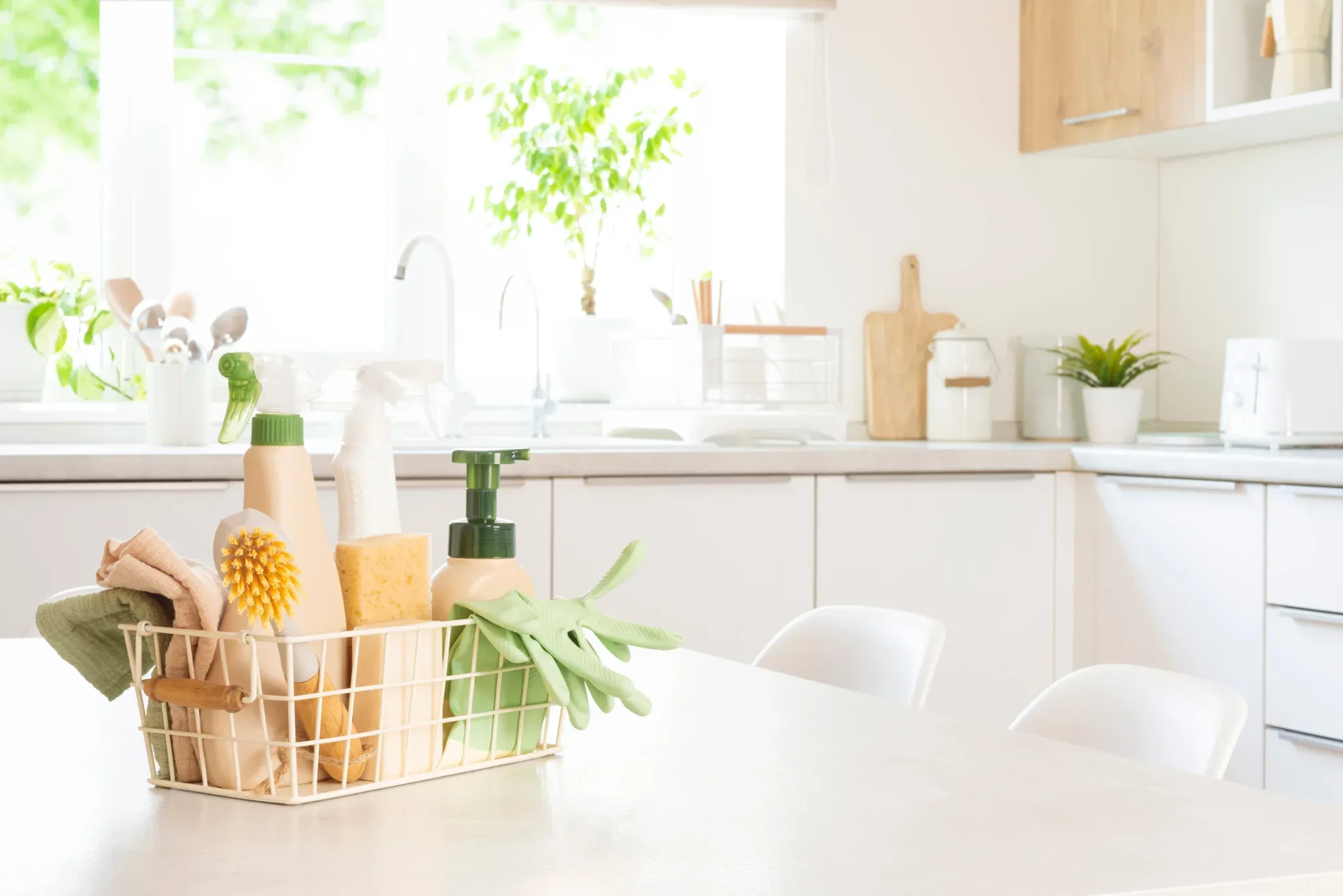
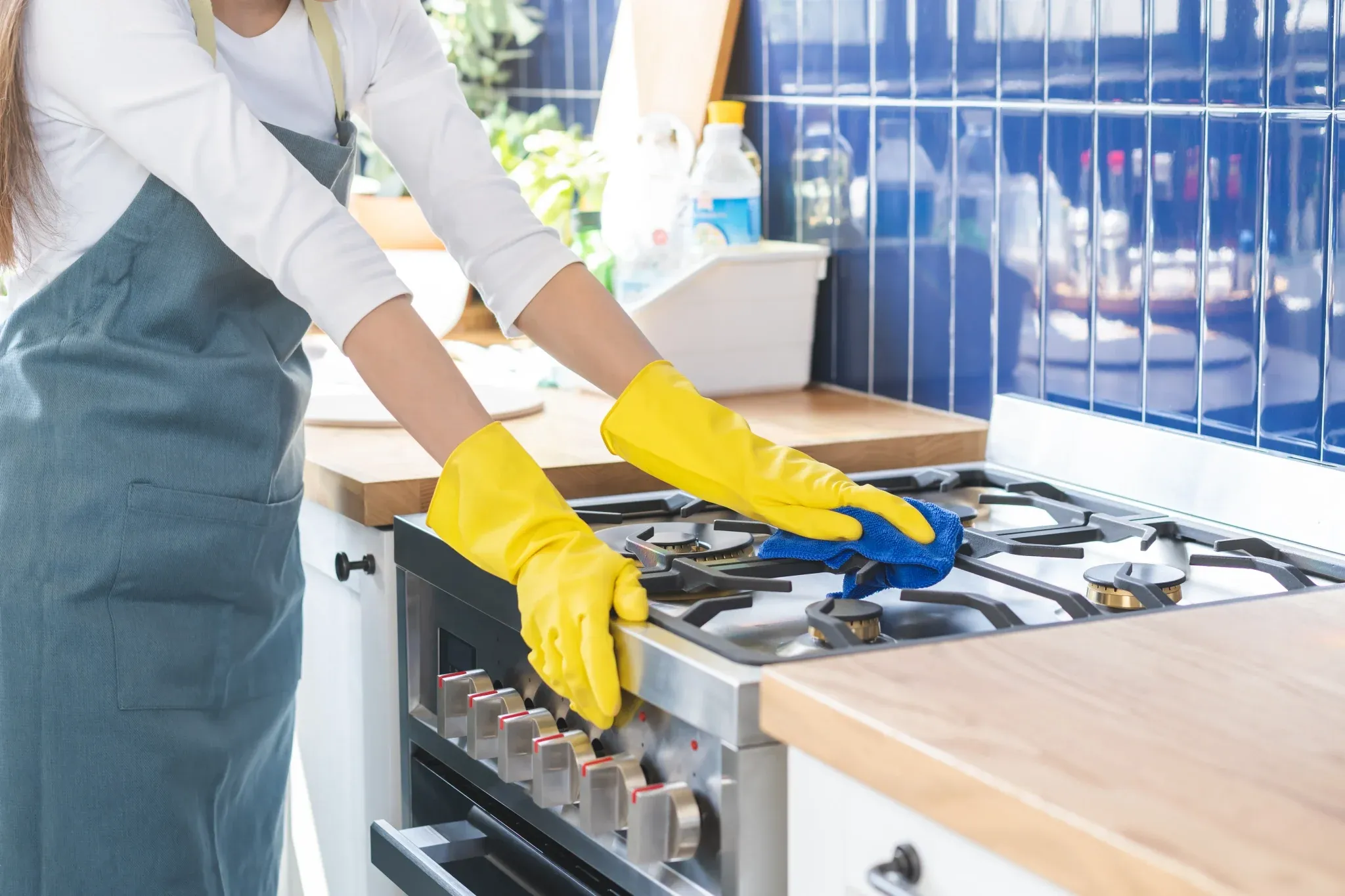
You can clean almost everything in your home using a few basic, pet-safe pantry staples. White vinegar is a powerful, natural disinfectant that cuts through grease and grime perfectly. Mix equal parts white vinegar and water in a spray bottle to clean your glass, countertops, and hard floors. The vinegar smell dissipates completely once it dries.
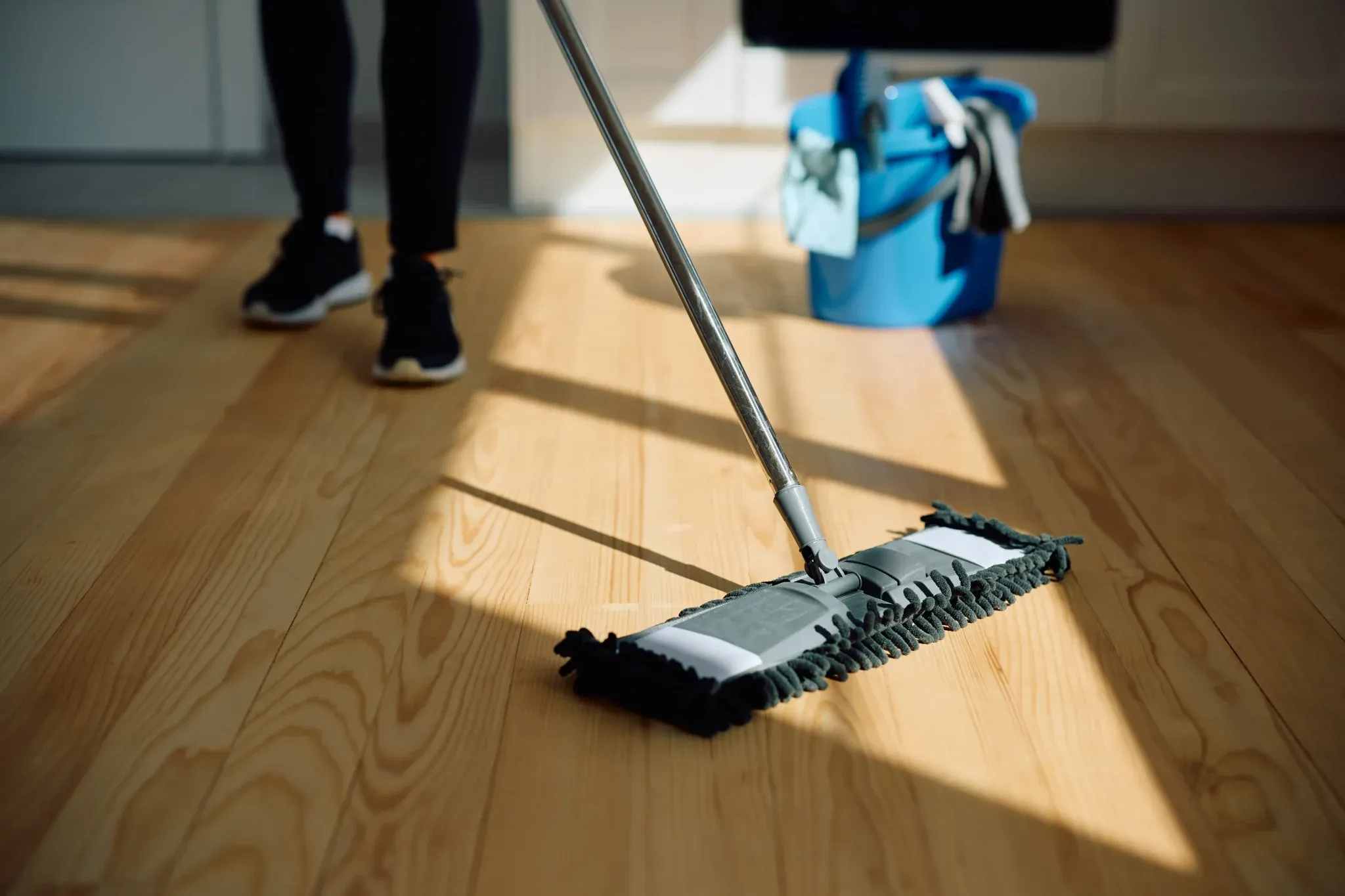
Baking soda is an excellent mild abrasive for scrubbing sinks and bathtubs. It also works as a fantastic natural deodorizer. For a simple floor cleaner, add a few drops of mild dish soap to a bucket of warm water. This mixture safely lifts dirt from tile and hardwood without leaving behind any toxic chemical residue.
Daily Habits for a Fresher Home
Maintaining a clean home is much easier if you implement a few daily habits. Preventing messes from spreading saves you hours of deep cleaning on the weekends.
Wipe Paws at the Door
Stop mud and dirt before it enters your home by setting up a paw-wiping station. Keep a highly absorbent microfiber towel and a spray bottle of water right by your front door. When you return from a walk, simply spray your dog’s paws and wipe away the dirt before they step onto your clean floors.
Place heavy-duty, washable rugs at every entrance to your home. These rugs trap a significant amount of dirt and moisture as your pets walk inside. Shake these rugs out outside every few days and throw them in the washing machine weekly.
Manage the Feeding Station
The area around your pet’s food and water bowls gets messy incredibly fast. Pets drop kibble, splash water, and leave behind greasy saliva. Place a waterproof silicone mat underneath their bowls to catch these spills. These mats are easy to wipe down and protect your floors from water damage.
Wash your pet’s bowls every single day with hot water and dish soap. Leftover food breeds bacteria and creates unpleasant odors. Sweep the feeding area daily to prevent pests from investigating the dropped crumbs.